Powering Your Power Resilience Reliability
Automatic Generators: The Dependable Answer for Continuous Electricity
Backup generators are an important shield against power interruptions. These systems operate smoothly, activating within seconds following an interruption. Powered by different energy types, they make certain facilities stay running during emergencies. Yet, knowing their advantages and specifications is vital for achieving an informed decision. What elements need consideration prior to purchasing a generator like this? The subsequent parts examine these vital considerations.
The Mechanics of Backup Power: How They Work
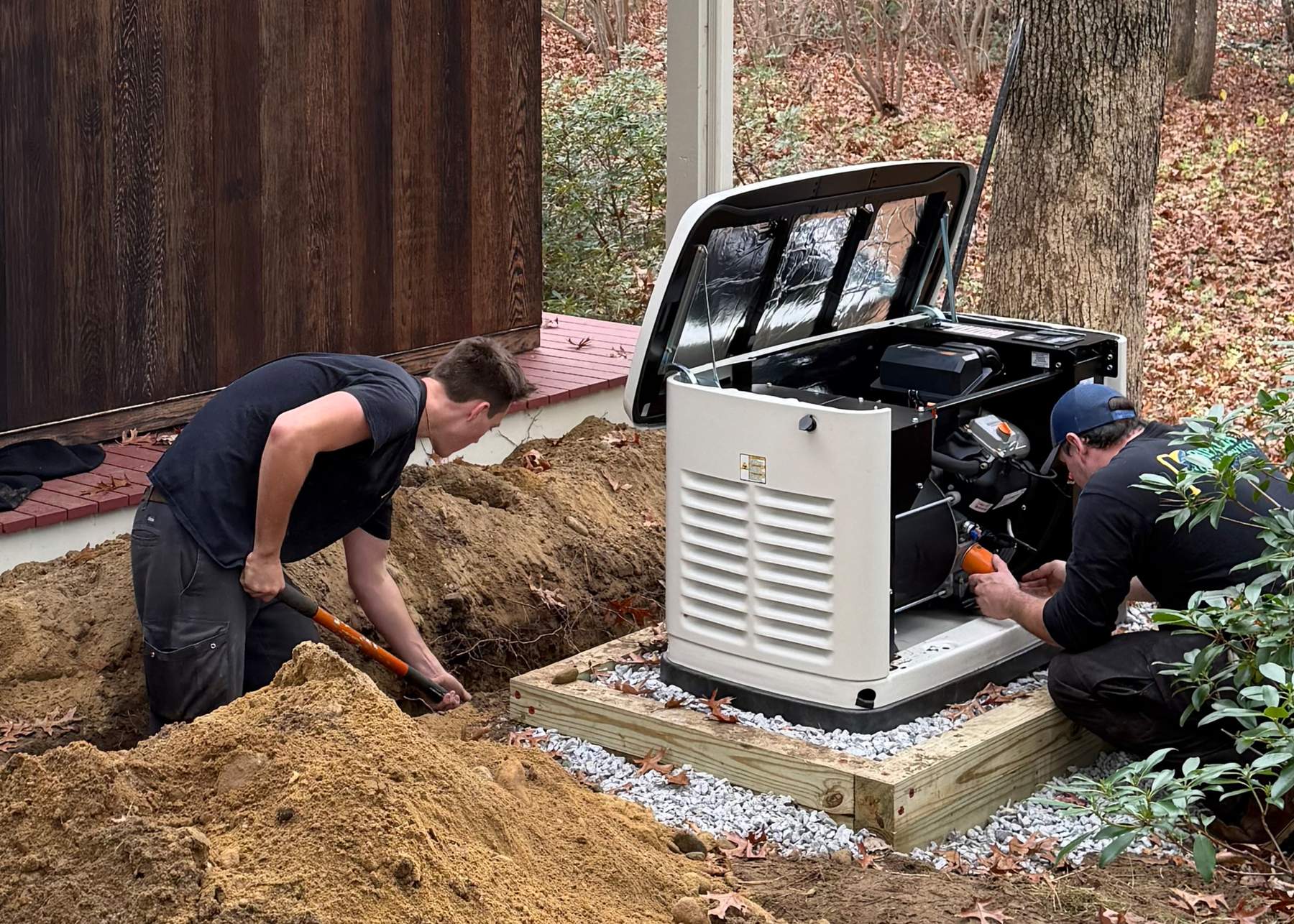
Automatic generators are vital systems that offer reliable emergency electricity when the grid fails. They are typically installed outside the structure, linked to the main wiring and running on gas, propane, or diesel. Should the power fail, the generator senses the power failure and starts up instantly. This action utilizes a specialized transfer switch, which disconnects the home from the grid and links it to the backup unit
(Portland Standby Generators)The generator then begins to produce electricity, providing energy to critical systems or the entire facility, based on its size. Typically, these generators have an internal tracking mechanism that confirms optimal performance and maintenance. They can operate for extended periods, delivering dependable electricity until the main grid is back online. Knowing the operation of these systems enables users to see their importance in improving power reliability and minimizing disruptions during unexpected outages
Benefits of Installing a Standby Generator
Dependability is a major benefit of utilizing this type of generator, since it ensures continuous electricity during outages. This crucial capability ensures continuous operation for properties, protecting valuable assets and maintaining comfort. In addition, standby generators enhance safety through the avoidance of electricity loss that could lead to hazardous situations, such as pipe damage or critical device shutdowns.
Affordability is another benefit; while the initial investment may be considerable, the savings over time from preventing food waste, business interruption, and urgent maintenance can be remarkable. In addition, these generators add value to the property, which makes them an appealing amenity for future homeowners.
The ease of use is also important, as such systems automatically activate during an outage, doing away with the requirement for hands-on operation. This uninterrupted functionality allows users to maintain their daily routines without interruption. In summary, setting up a standby system offers peace of mind, assuring that power is readily accessible when critical.
Key Features to Look for in a Backup Power System
When choosing a standby generator, multiple important characteristics should be considered to ensure optimal operation and appropriateness for individual requirements. Initially, the wattage capacity is crucial; potential users must figure out the needed capacity to run critical equipment during an outage. Additionally, the type of fuel—whether natural gas, LP, or diesel—affects efficiency and operational costs.
An additional key element is the automatic transfer mechanism, which enables smooth transition of power and improves security. Construction and longevity are key factors; a well-built system can cope with extreme weather.
Moreover, noise levels should be assessed, as quieter models are preferable for home environments. Certain models include auto-start functions, offering ease of use during sudden power failures. Finally, support and coverage details need to be checked, offering trustworthy maintenance and maintenance. Through assessing these characteristics, potential purchasers can select a standby generator that aligns with their individual power demands efficiently.
Elements to Evaluate Before Purchase
Prior to purchasing a standby generator, potential buyers should thoroughly review several essential factors to ensure they reach an educated choice. Portland Standby Generators. Initially, they must assess their power needs by estimating the needed power to operate critical systems during an outage. Secondly, the power source is important; available types are natural gas, propane, or diesel, each possessing specific upsides and access factors
Additionally, buyers should consider the generator's transfer switch, which ensures easy power switching. Installation necessities are crucial factors, since certain models could demand expert setup or permit acquisition
The warranty and support options should not be overlooked, as these can greatly impact your satisfaction over time. Lastly, buyers need to assess how loud the generator is, especially if they live in populated neighborhoods. When reviewing these aspects, buyers are able to choose the right generator that best meets their specific needs and preferences
How to Maintain Your Standby Generator
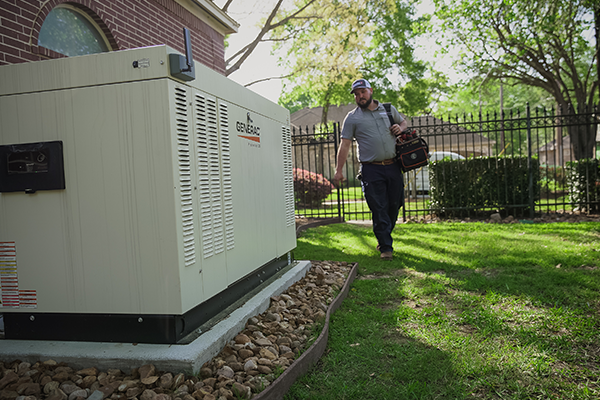
Consistent upkeep is vital for guaranteeing ideal performance and the long life of a backup generator. Start by examining how much oil the generator has, and swap out the oil and filter as recommended by the maker. Make sure to check the air filter and replace it as necessary to maintain the best airflow. It's also important to test the battery and clean any corrosion on terminals to keep the starting power consistent.
Conduct periodic load tests to verify the generator manages its maximum load. Additionally, verify that the exhaust system is free of obstructions and leaks. Ensuring the generator is clean and clear of debris can prevent the unit from overheating and having other issues.
Finally, book professional upkeep yearly to address any potential problems and conduct thorough checks. By using these maintenance practices will significantly prolong the life of a standby generator, providing peace of mind when the power goes out.
Frequently Asked Questions
How Much Do Standby Generators Typically Cost?
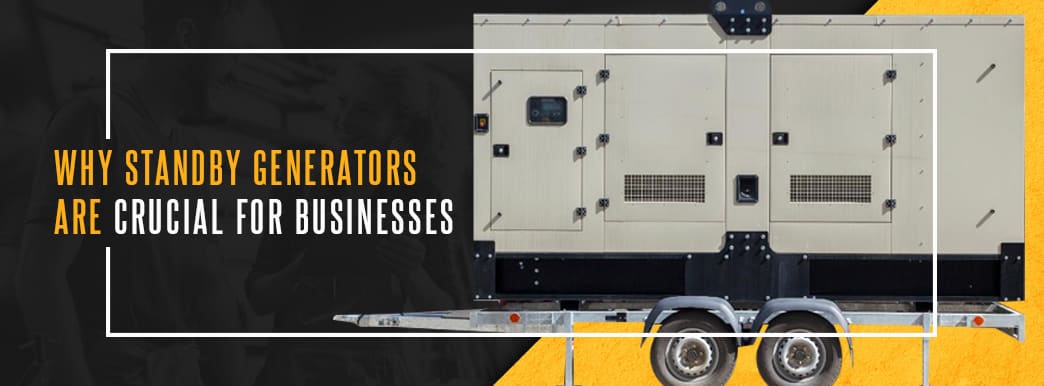
Standby generators typically cost in insightful guide price from $2,000 to $15,000, based on elements like the brand, power output, and complexity of installation. Extra costs often involve fuel tanks, permits, and ongoing maintenance, which impacts the overall cost.
Can I Install a Standby Generator Myself?
Self-installation of a backup generator is feasible, but it requires knowledge of local regulations and electrical systems. Many recommend getting a contractor to guarantee safety, conformance, and the best operation of the generator installation.
What Energy Sources Do Standby Generators Use?
Standby generators commonly run on energy sources such as natural gas, propane, diesel, or gasoline. Portland Standby Generators. The choice of fuel often depends on the cost, availability, and particular power requirements, affecting the operation and efficiency of the generator
Are There Any Permits Required for Installation?
Yes, permits are often required for the installation of standby generators. The specific codes change based on the locale, so it is crucial for contractors or homeowners to consult local authorities to verify conformance with all relevant codes and requirements.
What is the Maximum Continuous Runtime Continuously?
A standby generator can run continuously for different lengths of time, usually between 24 and 48 hours, based on the load demands and fuel availability. Consistent servicing provides optimal functioning and extended lifespan during extended operation periods.